If your Amazon product isn’t getting traffic, it won’t get sales—no matter how good it is.
But driving traffic on Amazon isn’t about running ads blindly. It’s about building a system that feeds Amazon’s algorithm the right signals, in the right order, at the right time.
Too many sellers jump straight into PPC, burn budget, and wonder why rankings never stick. In reality, traffic without conversion hurts visibility, and unstructured traffic confuses Amazon’s ranking system.
Step 1: Fix the Foundation Before Driving Traffic
Before sending a single visitor, your listing must be algorithm-ready.
Amazon closely monitors what happens after traffic arrives.
If shoppers don’t click, scroll, or buy, Amazon interprets that as low relevance—and suppresses your visibility.
What Must Be Optimized First?
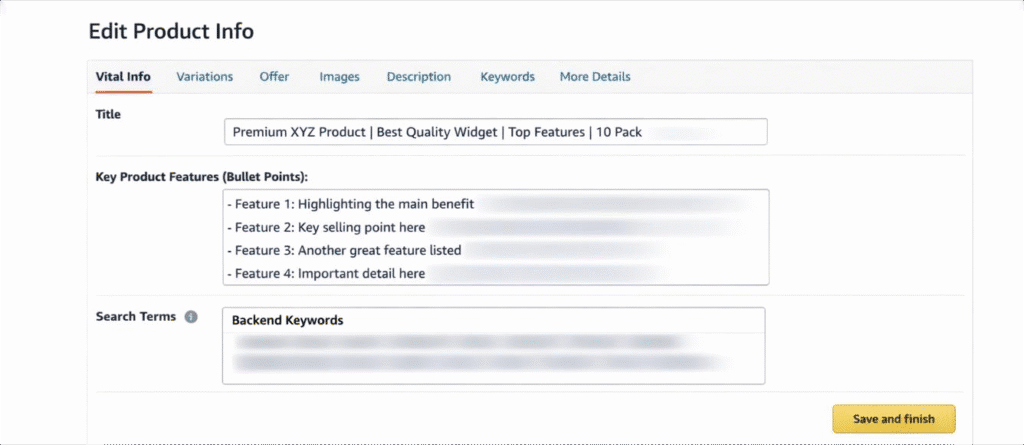
- Product title with primary keyword placement: Your title is Amazon’s strongest relevance signal. It should include the primary keyword naturally, preferably early, while clearly stating what the product is and its main differentiator. Keyword stuffing hurts clicks, while vague titles limit indexing. The goal is clarity, relevance, and a strong click-through rate.
- Bullet points written for search relevance and buyer intent: Bullet points should support indexing while persuading shoppers to buy. Each bullet highlights a key benefit, addresses common objections, and naturally includes secondary keywords. Since many buyers skim, especially on mobile, strong bullets directly impact conversion and rankings.
- Backend search terms fully utilized: Backend keywords expand discoverability without affecting front-end readability. This space should include relevant variations, long-tail phrases, and synonyms not used in visible copy. Leaving it underfilled limits indexing and slows ranking progress.
- High-quality images that visually answer objections: Images should clearly communicate value, usage, and differentiation. Lifestyle images, infographics, and close-ups reduce buyer hesitation and improve conversion. Because Amazon rewards listings that convert, strong visuals influence ranking as much as aesthetics.
- Clear price-to-value positioning: Pricing must align with perceived value. Higher prices require clear justification, while lower prices must still feel intentional and trustworthy. Misaligned pricing lowers conversion and can suppress visibility, even with strong traffic.
- Inventory stability (stockouts kill ranking momentum): Consistent inventory protects rankings and sales velocity. Stockouts interrupt momentum and increase recovery costs through ads. Maintaining buffer stock ensures traffic converts and ranking signals remain strong.
Your listing is not just a page—it’s your conversion engine. A higher conversion rate from the same traffic tells Amazon your product deserves more exposure.
Sellers who optimize listings before ads consistently rank faster and spend less to do it.
Step 2: Drive Internal Amazon Traffic (The Core Engine)
1. Amazon PPC — Strategic, Not Aggressive
Amazon ads are the fastest way to generate controlled traffic—but only when structured correctly.
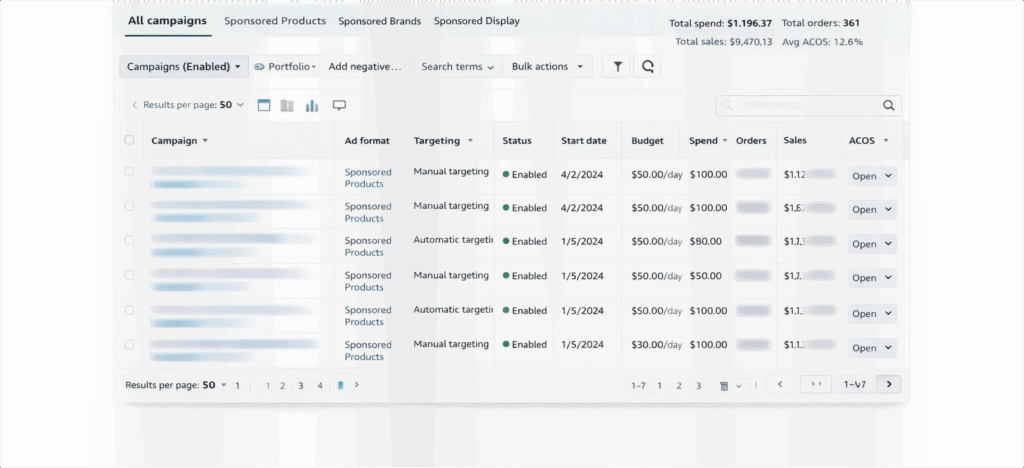
High-performing launch campaigns include:
- Auto campaigns for keyword discovery: Used early in the launch to uncover converting search terms and shopper behavior. These campaigns provide data that informs manual targeting and long-term ranking strategy.
- Exact-match campaigns for priority ranking keywords: Focused on high-intent keywords that matter most for organic visibility. An exact match ensures ad spend directly supports keyword indexing and ranking acceleration.
- Product targeting ads against competitors: Ads placed on competitor listings capture comparison shoppers and redirect demand. This strategy drives relevant traffic while weakening competitors’ conversion advantage.
The goal isn’t max clicks—it’s profitable, keyword-indexed sales.
A common mistake is overbidding too early without conversion data.
This drains budget, inflates ACoS, and stalls ranking progress. Well-structured campaigns do the opposite: they improve relevancy, lower wasted spend, and scale visibility efficiently.
2. Keyword Indexing Through Controlled Sales
Amazon doesn’t rank products based on impressions—it ranks them based on sales velocity tied to specific keywords.
Effective traffic strategies focus on:
- Driving sales through target search terms: Successful launches focus on generating purchases through specific, high-priority keywords rather than broad or random traffic. Sales tied to exact search terms help Amazon clearly understand which queries your product is relevant for, accelerating indexing and improving organic ranking speed.
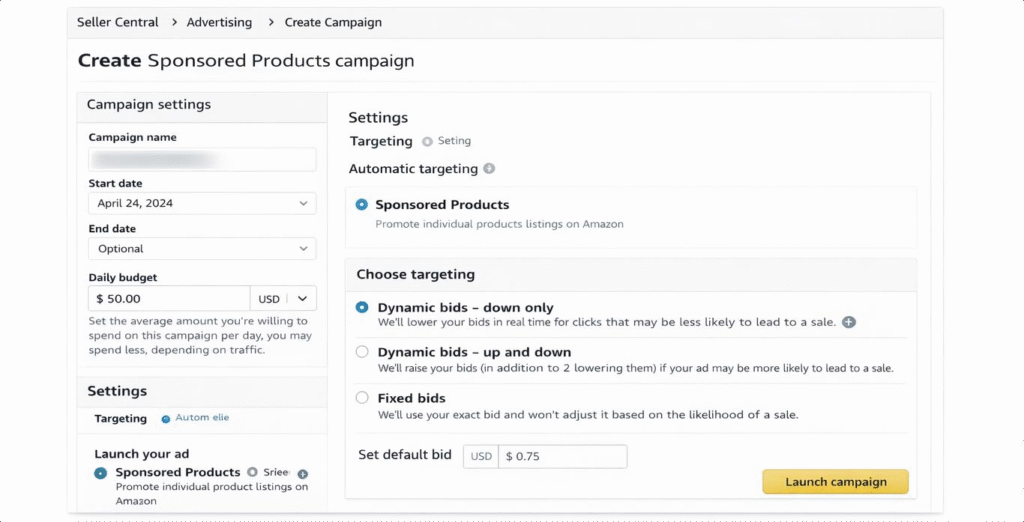
- Coordinating ads and organic ranking pushes: Paid ads are structured to support organic growth, not replace it. When Sponsored Products campaigns are aligned with ranking goals, ad-driven sales reinforce organic visibility, allowing products to climb search results while maintaining controlled ad spend.
- Monitoring indexing and adjusting bids in real time: Keyword performance is tracked continuously to identify what’s indexing and converting. Bids are adjusted based on ranking movement and sales data, ensuring traffic stays efficient while strengthening the signals Amazon uses to reward visibility.
This step separates professional launches from guesswork. Traffic must be intentional, timed, and measurable to influence rankings.
Step 3: Use Promotions & Social Proof to Multiply Traffic Impact
Traffic converts better when trust is already built.
Strategic use of:
- Coupons
- Launch discounts
- Lightning Deals
- Early review generation (Request a Review)
increases click-through rate and conversion, both of which Amazon’s algorithm heavily rewards.
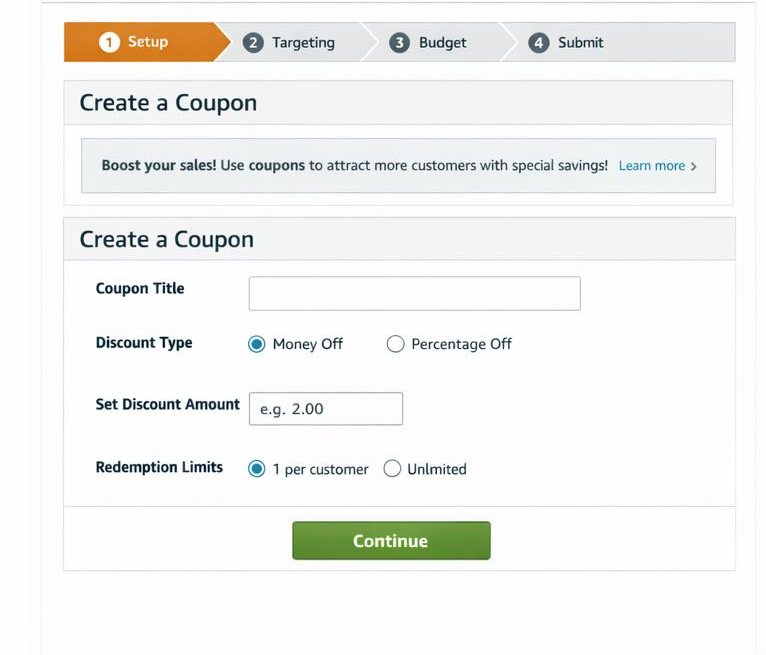
Reviews and promotions don’t just improve buyer confidence; they amplify the impact of every traffic source, making ads and organic exposure far more effective.
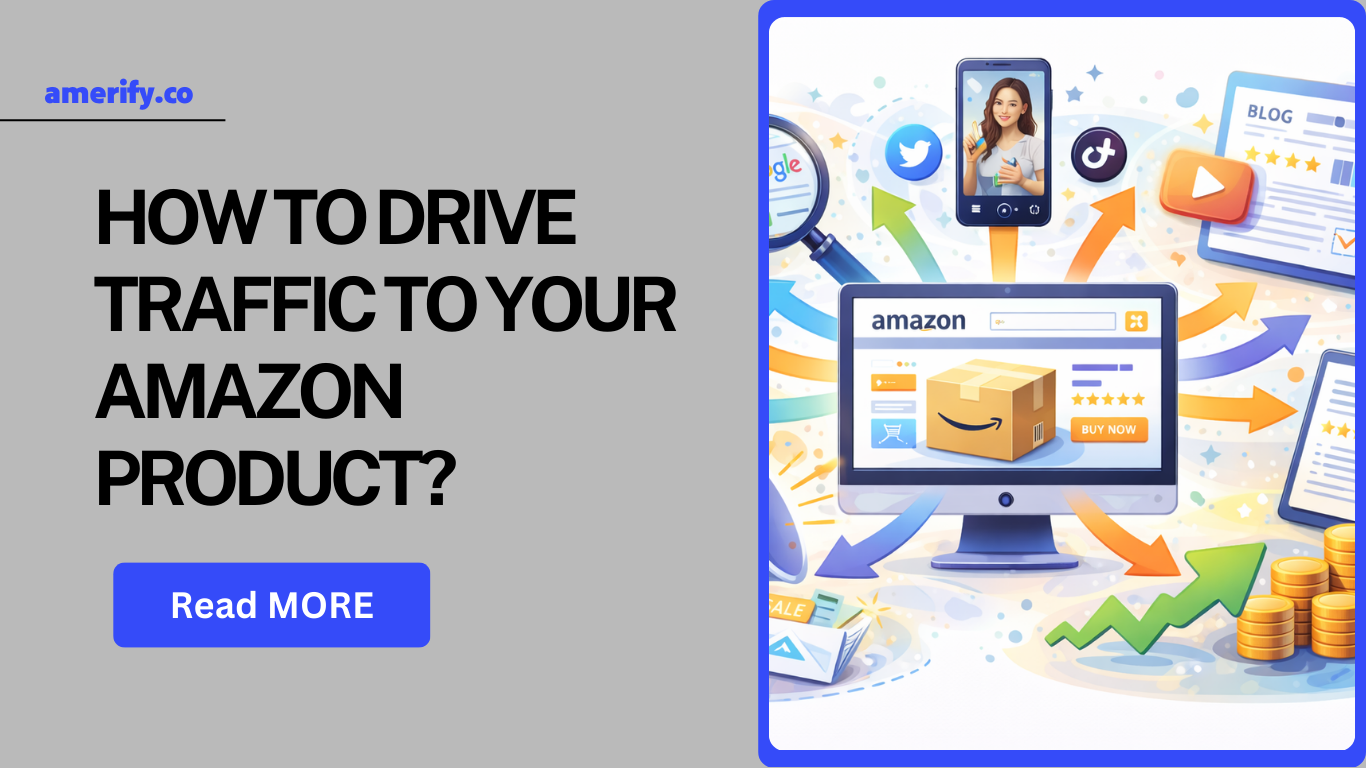
Step 4: Leverage External Traffic (Amazon Loves This Signal)
Amazon increasingly rewards listings that bring high-quality external traffic to the platform.
External traffic improves:
- Conversion signals: Shoppers coming from external platforms often arrive with higher intent, which increases conversion rate. When this traffic converts, Amazon receives strong relevance signals that your product satisfies buyer demand.
- Brand authority: Consistent external traffic signals brand credibility to Amazon. Listings that attract shoppers beyond Amazon’s ecosystem are viewed as stronger, more established brands rather than isolated products.
- Long-term organic ranking: High-quality external traffic that converts reinforces Amazon’s ranking algorithm over time. These signals help stabilize rankings and reduce long-term dependence on aggressive ad spend.
High-Impact External Traffic Sources
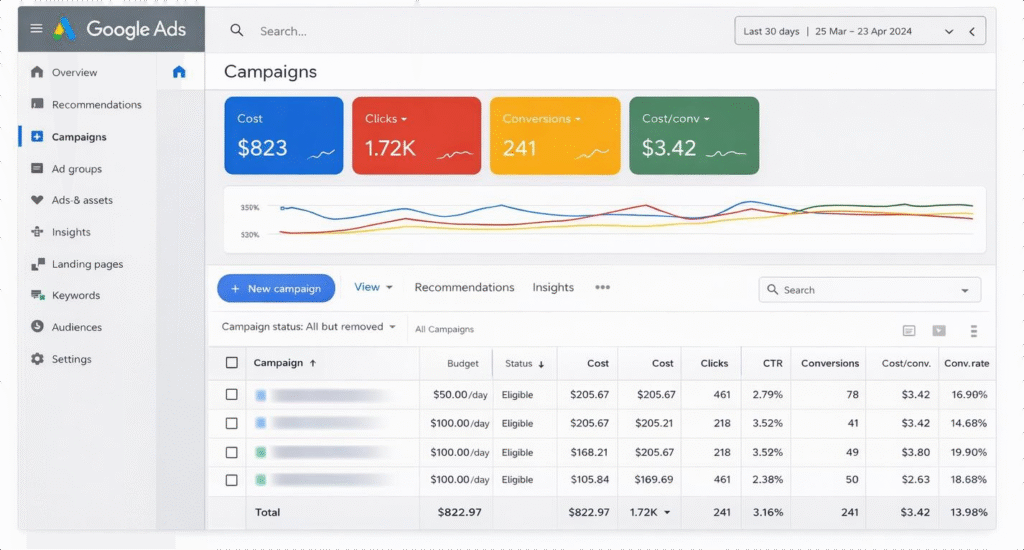
- Google Search & Shopping Ads: These capture buyers actively searching for solutions and redirect high-intent traffic directly to your Amazon listing or Brand Store, often at efficient acquisition costs.
- Social media ads (Meta, TikTok, Instagram): Social platforms enable precise targeting using interests, behaviors, and demographics. Strong creative and messaging can drive scalable traffic that supports both sales velocity and brand awareness.
- Influencer campaigns with tracked links: Influencers provide social proof and authentic exposure. When paired with tracked links through Amazon Attribution, this traffic becomes measurable and highly effective for ranking and launches.
- Email lists and brand audiences: Owned audiences convert at higher rates because trust already exists. Email-driven traffic is especially powerful during launches, promotions, and ranking pushes, reinforcing consistent sales signals.
Shoppers coming from Google or social platforms often have strong intent—and when they convert, Amazon views your product as deserving a higher rank.
Amazon Attribution and the Brand Referral Bonus now allow sellers to track and financially benefit from this external traffic, making it one of the most underutilized ranking levers.
Step 5: Track Everything With Amazon Attribution
Sending traffic without tracking is wasted effort. Amazon Attribution allows sellers to:
- See which external sources convert: Track exactly which platforms, campaigns, and creatives drive sales on Amazon, removing guesswork from external traffic decisions.
- Optimize spend across platforms: Use conversion data to shift budget toward high-performing channels while reducing spend on traffic that doesn’t convert.
- Scale what’s profitable and cut what’s not: Double down on sources generating real sales and ranking signals, while eliminating wasted spend that adds clicks without impact.
Professional launch strategies rely heavily on attribution data to refine traffic sources in real time. Guessing stops. Decisions become data-driven.
Step 6: Maintain Momentum After the Initial Traffic Spike
Traffic is not a one-time event. Products that rank long-term follow a post-launch momentum plan, including:
- Gradual PPC scaling (not sudden budget jumps): Increase ad spend steadily based on performance, not emotion. Sudden spikes can burn budget and reduce profitability, while controlled scaling keeps rankings stable.
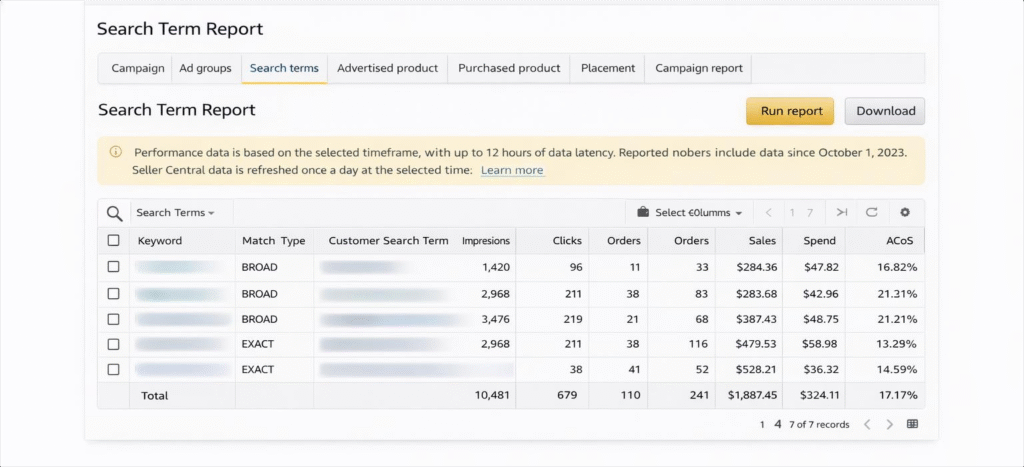
- Continuous keyword expansion: Keep adding new keywords from search term reports and competitor research. Expanding keyword coverage helps maintain visibility and capture emerging demand.
- Ongoing external traffic pulses: Maintain momentum with periodic external campaigns—especially during promotions, seasonal peaks, and new launches. External traffic supports organic growth and keeps ranking signals strong.
- Listing optimization based on real buyer behavior: Update copy, images, and offers based on what shoppers actually respond to. Track conversion, click-through rate, and feedback to refine the listing and improve long-term performance.
Many launches fail here. Momentum stops, rankings drop, and ads become expensive. Sustainable success comes from consistent signal reinforcement, not short-term spikes.
Why Most Sellers Fail to Drive Traffic Successfully?
- They rely on ads alone without building organic support: Many sellers believe Amazon PPC is the only traffic source that matters. While ads can generate visibility, relying on them without keyword indexing, organic ranking strategies, and external signals leads to high costs and unstable performance once ad spend is reduced.
- They ignore conversion optimization before scaling traffic: Driving traffic to an unoptimized listing results in poor click-through rates and low conversions. Amazon’s algorithm interprets this as low relevance, which suppresses visibility instead of improving it.
- They don’t fully understand Amazon’s ranking signals: Amazon prioritizes sales velocity, keyword relevance, and post-click behavior—not just impressions. Sellers who focus on traffic volume without aligning it to specific keywords and buyer intent struggle to rank consistently.
- They lack a structured launch and post-launch roadmap: Without a clear launch sequence—pre-launch setup, controlled traffic, ranking pushes, and stabilization—traffic spikes fade quickly, causing rankings and sales to drop.
Amazon traffic isn’t random—it’s engineered through data, timing, and execution.
How Amerify Drives Traffic Differently?
Amerify doesn’t just send traffic—we design full Amazon growth ecosystems built for performance and scalability.
Amerify’s Amazon launch strategies focus on:
- Data-backed keyword prioritization from day one: Every traffic decision is guided by keyword intent, competition analysis, and ranking opportunity—ensuring traffic supports long-term organic visibility.
- Conversion-first listing frameworks: Traffic is only driven after listings are optimized for buyer psychology, objections, and Amazon’s algorithm, improving both paid and organic performance.
- Balanced internal and external traffic strategies: Amerify combines Amazon PPC with external traffic sources to send strong relevance and authority signals to Amazon’s algorithm.
- Algorithm-safe ranking acceleration methods: Traffic is structured to improve keyword indexing and sales velocity without risking account health or violating platform guidelines.
- Long-term scalability instead of short-term spikes: Strategies are designed to sustain rankings, control ad costs, and support future product expansion—not just temporary launch results.
This approach minimizes wasted spend, accelerates rankings, and builds traffic systems that continue performing well beyond the launch phase.
Conclusion
Driving traffic to your Amazon product requires more than ads. It requires a system built around Amazon’s algorithm—one that prioritizes relevance, conversion, and controlled growth.
If you want traffic that:
- Converts
- Ranks
- Scales profitably
Contact Amerify for a Free Consultation. We’ll help you turn traffic into rankings—and rankings into revenue.